
The best class is the one that matches your goals and your calendar, because consistency is what makes self-defense usable
Choosing Adult Self-Defense Classes isn’t about finding something “tough enough.” It’s about finding training you can actually stick with, taught in a way that makes skills show up when you need them. We meet a lot of adults who are juggling work, family, and a body that might not love sudden burpees at 8:00 pm. That’s normal, and it’s exactly why choosing the right class matters.
The good news is demand for practical self-defense has climbed in recent years, with industry reports showing millions of U.S. adults training annually and continued growth in the martial arts and self-defense market. That lines up with what we see locally: more adults want training that’s realistic, stress-aware, and still a solid workout.
In this guide, we’ll walk you through how to choose Adult Self-Defense Classes that fit your needs in Bohemia, including what to look for in curriculum, coaching, class formats, safety standards, and scheduling, plus the questions you should ask before you commit.
Start with your goal, not a style label
Most adults come to Adult Self-Defense Classes for one of four reasons, and your “why” should shape everything else.
Goal 1: Real-world safety and practical skills
If your priority is personal safety, you want training built around common scenarios: close-range attacks, grabs, pushes, and situations where surprise and stress are real factors. Reality-based systems have been gaining popularity because simple, repeatable movements tend to hold up better under pressure than complicated sequences.
In our Adult Self-Defense programs, we keep the focus on what you can do reliably, not what looks pretty in a demo.
Goal 2: Fitness that feels purposeful
A lot of people want a workout that doesn’t feel like “just working out.” Self-defense training is great for that because you’re moving with intention: footwork, striking mechanics, and conditioning that supports performance. Industry trend reports consistently show adults looking for programs that blend fitness, community, and practical skills, and it makes sense. You get stronger and you learn something that matters.
Goal 3: Confidence, stress control, and assertiveness
There’s also a very real psychological side to training. Peer-reviewed research on structured self-defense programs shows measurable gains in self-confidence, assertiveness, and resilience, particularly for women. We take that seriously. Physical technique is only part of Adult Self-Defense. The other part is how you carry yourself, how you set boundaries, and how you make decisions quickly when something feels off.
Goal 4: A supportive routine you can maintain
Sometimes the goal is consistency itself: you want a routine that gets you out of the house, moving, and surrounded by people who are doing the same. This is underrated. A program can be “perfect,” but if it doesn’t fit your schedule, it won’t work.
Look for curriculum that answers one simple question: “What will I be able to do?”
A helpful way to evaluate Adult Self-Defense Classes is to ask about outcomes over time. Not vague promises, but practical milestones.
What a strong beginner curriculum usually includes
At a minimum, you should expect:
• Situational awareness and prevention habits you can use immediately
• De-escalation basics and verbal boundary-setting
• Fundamental striking mechanics (so you don’t hurt your own wrists, shoulders, or knees)
• Defenses against common grabs and close-range attacks
• Simple escape tactics and getting to safety
We build our training around progressive layers, so you learn fundamentals first and then pressure-test them appropriately as you improve.
Scenario training matters, but it should be introduced responsibly
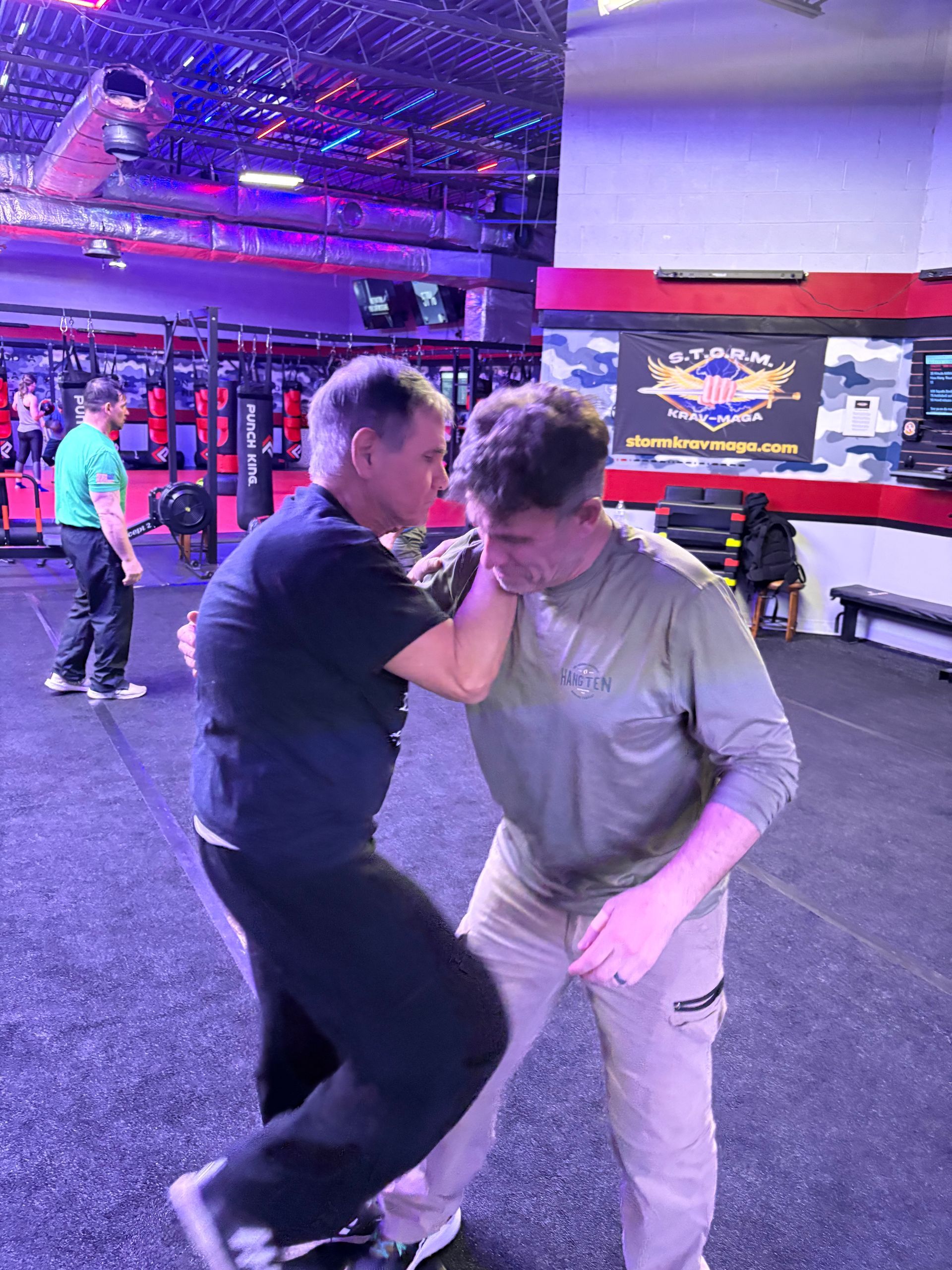
Scenario training is a major reason people search for krav maga Bohemia NY specifically. Adults often want skills that show up in messy, real situations, not just in a controlled drill. We agree, and we also believe pacing matters. You should be introduced to stress and unpredictability in a way that’s challenging without being reckless.
If you’re touring or trying a class, ask how scenario work is scaled for new students. A quality program won’t throw you into the deep end on day one.
Ask if the program covers “soft skills,” not just techniques
Adult Self-Defense is not only physical. It’s also:
• Recognizing pre-incident cues
• Using your voice effectively
• Creating distance and exits
• Understanding basic use-of-force considerations in plain language
If a class only talks about strikes and takedowns, it can miss the most preventable part of conflict: avoiding it when possible and escaping early when it’s not.
Pay attention to instructor credentials and teaching style
Adult students learn differently than kids. You’re bringing life experience, injuries, stress, and a limited amount of time. Coaching quality makes or breaks your progress.
What we think you should expect from coaches
When you’re evaluating Adult Self-Defense Classes, look for instructors who can explain the “why,” not just bark counts. You want coaches who:
• Teach with clear progressions and corrections
• Offer options for different fitness levels
• Prioritize control and safety during partner work
• Build confidence through reps, not intimidation
We also recommend asking about continuing education and how instructors stay current, especially when training involves high-stress performance.
A note on class culture
Culture matters more than most people expect. If you dread walking in, you won’t train consistently. Our goal is a room where you can work hard, make mistakes, laugh a little when something feels awkward (because it will at first), and leave feeling more capable than when you arrived.
Choose a class format that matches your comfort level and learning preferences
Not every adult wants the same environment, and that’s fine. The “right fit” often comes down to format.
Small group training vs. larger classes
Small group formats can mean more individual feedback and a slower pace. Larger groups can be high-energy and motivating. We balance structure and attention so you still get coaching without losing the momentum that makes training fun and effective.
Women-only vs. mixed classes
Many adults ask about women-only options, and for good reason. Some students want a space that feels more comfortable for early training, especially when learning boundaries and close-range defenses. Research also supports that short, focused self-defense programs can significantly boost confidence and assertiveness for women, and we like building on that foundation.
We recommend checking the class schedule to see what formats are currently available and what time slots fit your week.
Private lessons and “extra reps”
Sometimes you want to move faster, work around an injury, or just get more coaching attention. Private lessons can help fill those gaps. If you’re the type of person who likes a plan (and plenty of adults are), this can be a smart way to build momentum early.
Make logistics easy, or it won’t last
This is the part most people don’t want to admit: convenience is a major predictor of success.
Location and commute in Bohemia
One reason adults stay consistent is simple proximity. If your training is close enough that you don’t have to negotiate with traffic and a long drive every time, you’ll show up more often. That matters, because self-defense skills fade without repetition.
Schedule flexibility
When you look at Adult Self-Defense Classes, compare your real availability, not your idealized week. If you can train two days most weeks, plan for two days. Consistency beats intensity.
Budget and membership clarity
The self-defense industry commonly uses monthly memberships and package options. Whatever you choose, look for transparent pricing and a clear explanation of what’s included: class access, beginner intro sessions, gear requirements, and any special workshops. We aim to keep that information straightforward so you can decide without guesswork.
Safety standards: intensity is good, avoid preventable injuries
A realistic self-defense program should still be a safe training environment. If you’re new to this, it’s fair to wonder about intensity and injury risk. The answer depends on how training is structured.
What safer training usually looks like
We recommend verifying these basics in any Adult Self-Defense setting:
• Warm-ups that prepare joints and tendons, not just “get you tired”
• Clear rules for partner drills and contact level
• Protective gear used when appropriate
• Coaches actively supervising, not just calling out combos
• A culture where you can tap out, pause, or ask questions without being judged
Training should challenge you, but it should also let you walk into work the next day without limping like you lost a bet.
A simple way to pick the right program: your decision checklist
If you want a quick way to decide whether our Adult Self-Defense Classes fit you, use this checklist and bring it with you to a trial class or first visit.
1. Goal match: Does the curriculum clearly support your goal (safety, fitness, confidence, or all three)?
2. Beginner path: Is there a clear on-ramp for beginners, with skill ladders and coaching support?
3. Reality-based practice: Do you train for common scenarios, including close-range problems and escapes?
4. Verbal and awareness skills: Do you learn prevention, de-escalation, and boundary-setting, not just techniques?
5. Safety structure: Are warm-ups, supervision, and contact rules taken seriously?
6. Schedule fit: Can you realistically attend at least two times per week?
7. Community feel: Do you feel comfortable enough to train consistently and ask for help?
If you can say yes to most of these, you’re in a strong position to make progress fast.
Common questions we hear in Bohemia, NY
Is Krav Maga beginner-friendly if I’m not athletic?
Yes, when it’s coached properly. Many adult programs are designed for beginners and scale intensity over time. We coach movement, mechanics, and pacing so you can build fitness while you build skill, not before.
Will I learn de-escalation and legal considerations?
You should expect awareness and avoidance skills to be part of Adult Self-Defense. We encourage you to ask us directly what’s included in the curriculum and how we teach decision-making under stress.
How hard is the training, really?
It’s challenging, but it’s also adjustable. You’ll sweat, you’ll learn, and you’ll gradually do more than you thought you could. If you have injuries or limitations, tell us. We can usually modify drills while keeping the lesson intact.
What do I need to bring?
Typically: comfortable workout clothes, water, and a willingness to be new at something for a little while. If specific gear is required for certain classes, our team will tell you before you need it.
Take the Next Step
Choosing the right Adult Self-Defense Classes comes down to a simple match: your goals, your comfort level, and a schedule you can keep. When those pieces line up, training stops feeling like another obligation and starts feeling like a skill you’re steadily owning, week by week.
At Storm Krav Maga, we’ve built our programs in Bohemia around practical training, progressive coaching, and a safe environment where adults can learn real skills without ego. If you want to explore krav maga Bohemia NY options with a clear plan and supportive instruction, we’re ready when you are.
Train with experienced instructors and see what real Krav Maga feels like by booking your free trial class today.