

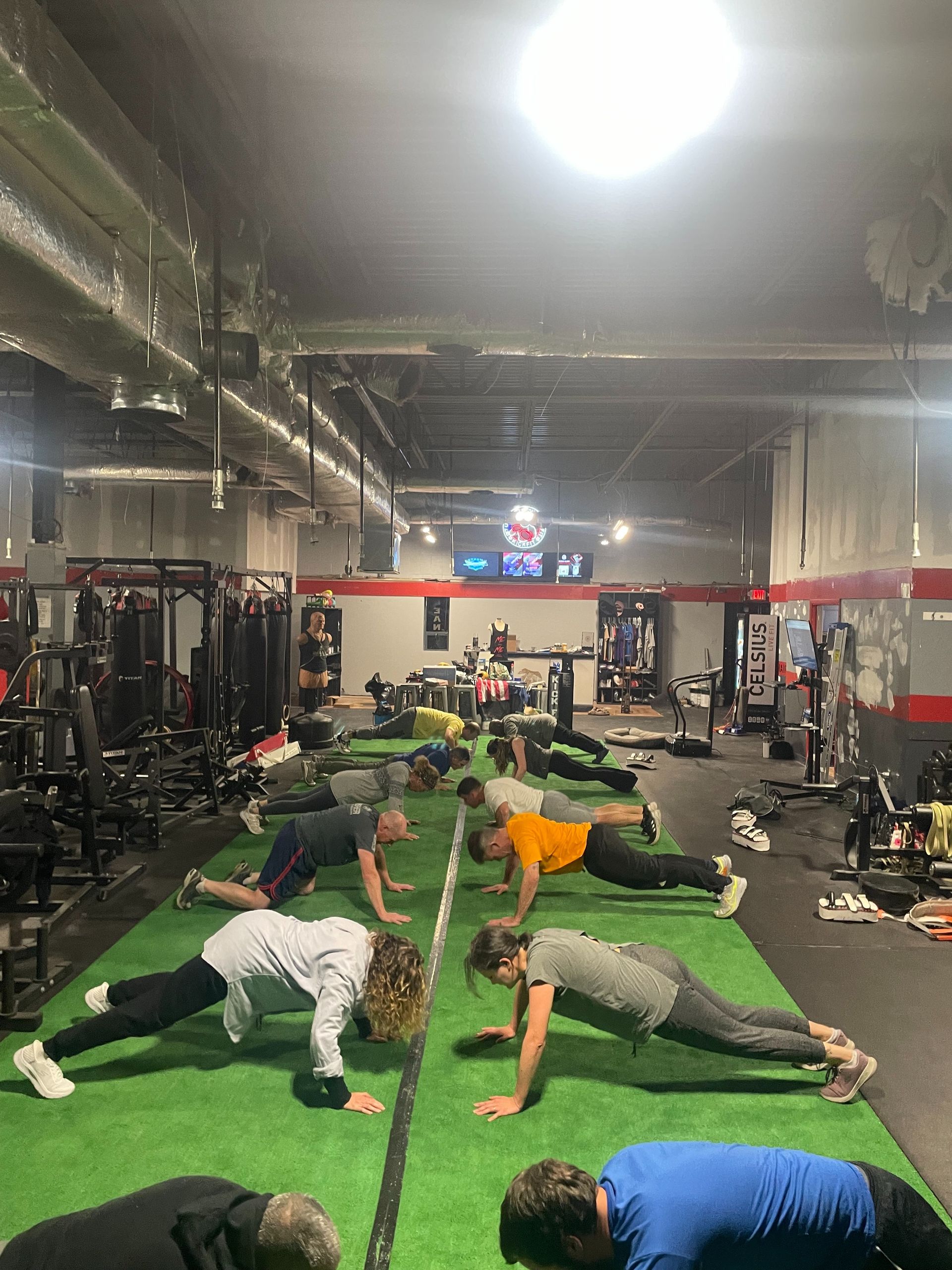
Your first session should feel welcoming, practical, and structured so you leave knowing exactly what to practice next.
Starting Adult Self-Defense Classes can feel like a big step, especially if you have not trained before or you are not sure what a “real” self defense class looks like. We keep the first experience simple on purpose: you learn how we move, how we stay safe, and how we turn a few foundational skills into something you can actually use.
In your first adult self defense class in Bohemia, NY, you can expect a beginner-friendly, safety-focused session that introduces core Krav Maga principles like situational awareness, stance and movement, escapes from common grabs and holds, and simple striking and defensive techniques. We emphasize progressive practice, controlled partner drills, and clear instructor feedback, so you are never left guessing about what you are doing or why it matters.
Most people also notice something right away: the class is focused, but not intimidating. We work hard, we keep it practical, and we build confidence through repetition and smart coaching, not by throwing you into the deep end.
Why Adult Self-Defense Classes feel different from a workout class
Yes, you will get a workout. But the goal is not just sweating, it is building a repeatable response under pressure. That is why our Adult Self-Defense Classes are structured around skills that improve timing, coordination, and decision-making. Research on martial arts and self-defense training has linked consistent practice with improvements in reaction time, coordination, and self-confidence, and we see that pattern show up in real students all the time: you move better, you think clearer, and you feel more capable.
The other difference is context. Instead of exercising “in general,” we train for situations you might actually face in everyday life in Suffolk County: personal space violations, common grabs, being surprised at close range, and the kind of stress that makes people freeze. Our job is to replace freezing with a plan you can execute.
The first class vibe: welcoming, alert, and safety-first
Your first session is designed to lower the barrier to entry. We will show you how the class flows, what the expectations are, and how to work with partners without feeling awkward. Most beginners worry about getting hurt, but we prioritize safety from the start with controlled intensity, padded targets when appropriate, and technique scaling based on your size, fitness, and comfort level. Minor soreness is normal, but major injury is uncommon in supervised beginner training when the room is coached well.
We also treat communication as part of self defense. If something feels too intense, you can say so. If you have a previous injury, we want to know. That is not you being difficult, it is you training intelligently.
What happens step by step in a typical first class
Every school has its own rhythm, and ours is consistent so you can relax into it. A first class generally follows this progression:
1. Quick orientation and expectations: how we pair up, how to tap out or pause, and how intensity works
2. Warm-up and mobility: joint prep, light conditioning, and movement patterns you will use later
3. Stance, movement, and distance: how to stay balanced and protect yourself while moving
4. Core beginner techniques: simple strikes, basic defenses, and an introduction to common grab releases
5. Partner drilling at controlled intensity: reps with coaching, not chaos
6. Cooldown and review: what you learned, how to practice safely, and what comes next
This structure is one reason Adult Self-Defense Classes work well for adults juggling work and family. You know what you are walking into, and you can track progress over time.
The warm-up: more than getting your heart rate up
Warm-ups in self defense are not random. We use them to build habits that support safer movement, like keeping your posture, turning your hips, and stepping with balance. You might do light calisthenics, mobility drills for hips and shoulders, and simple footwork patterns that prepare you for striking and defensive movement.
If you are not in peak shape, that is fine. We adjust. The point is to wake up your body, not punish you for having a desk job.
Your foundation: stance, movement, and situational awareness
Before any “cool” techniques, we teach fundamentals that keep you safe.
Stance and movement matter because self defense happens at close range and often starts with someone invading your space. If your base is unstable, everything else falls apart. We focus on:
• A stable, athletic stance that protects your head and centerline
• Movement that keeps you balanced while creating space
• Simple scanning and awareness habits that help you notice problems earlier
Situational awareness is not paranoia, it is paying attention with a plan. Adults often tell us this is the first time self defense has felt practical instead of theoretical.
The techniques you are likely to learn first
In beginner Adult Self-Defense Classes, we prioritize high-percentage skills you can perform under stress. Your first session may include an introduction to:
• Basic striking mechanics: straight punches, palm strikes, elbows, knees, and low kicks (depending on the day)
• Simple defensive structure: covering, framing, and protecting your head
• Releases from common grabs: wrist grabs, shirt grabs, or bear-hug style holds
• Escapes that emphasize getting safe, not “winning a fight”
We also explain real-world application. A technique is not just a motion, it is a decision: when to use it, how to create an exit, and how to avoid unnecessary risk.
Partner drills: controlled intensity, clear roles, real learning
A big surprise for first-timers is how cooperative the learning phase is. Partner drills are not sparring right away. Usually, one person plays the role of the attacker in a predictable way, and the other practices the defense with coaching. We then switch roles.
This is where confidence starts to build. Controlled repetition lets you feel what pressure is like without being overwhelmed. Over time, we add variables like timing changes, movement, and verbal boundary setting.
Short, focused self defense and self-assertion programs have shown measurable increases in confidence and assertiveness in controlled studies, and that lines up with what many adults experience: you feel different after a few sessions because you have evidence you can do hard things.
How we keep beginners safe while still keeping training realistic
“Realistic” does not mean reckless. It means we train with intent, and we progress gradually. Safety is built into the way we run class:
• We demonstrate first, then practice slowly, then build speed only when you are ready
• We use pads and targets to protect joints and reduce impact risk
• We coach spacing, posture, and breathing to prevent panic and flailing
• We encourage questions, because understanding reduces anxiety and improves performance
• We scale intensity, especially for brand-new students or anyone returning after time off
If you are worried about injuries, talk to us before class starts. Small adjustments early can make training feel much better.
What to wear and bring to your first class
You do not need fancy gear to begin. Keep it simple. For your first session, plan on:
• Comfortable athletic clothing you can move in
• Clean sneakers suitable for training indoors
• Water, because you will use it
• Any braces or supports you normally use for training or exercise
• A willingness to take feedback and repeat drills (that is where progress lives)
Later, we may recommend equipment like a mouthguard or groin protection depending on your training path, and we will keep those expectations clear.
How fast you will progress, and what “competent” really means
A common question is how many classes it takes to feel capable. The honest answer: it depends on what you mean by capable.
After several sessions, most students can demonstrate basic stance, movement, simple striking, and at least a few reliable releases from common holds. You also start building the habit of scanning your environment and managing distance, which is a huge part of self defense Bohemia NY adults actually need day to day.
Physical skill keeps improving with consistent practice. Confidence often improves sooner than people expect, especially when training is structured, supportive, and progressive.
Why adults in Bohemia and Suffolk County are training now
Across the U.S., adult participation in martial arts and self-defense has grown in recent years, with industry reports showing increasing market size and strong demand through 2023 to 2025. Locally, people pay attention to changes in their communities, and Suffolk County residents naturally care about personal safety, commuting routines, and everyday environments like parking lots, gas stations, and late-night errands.
Convenience matters too. When training is close to home, it is easier to attend consistently, and consistency is what turns techniques into habits. That is one reason Adult Self-Defense Classes work well when your schedule is busy: you can build momentum without making training a major travel project.
How our adult program supports different goals without splitting the room
Not everyone shows up for the same reason. Some people want practical protection skills. Some want fitness with a purpose. Some want to rebuild confidence after a tough experience. Our approach is to keep the core curriculum consistent while letting your intensity and focus match your goals.
We also pay attention to how people learn. Many modern self defense programs are shifting toward practical curriculum, de-escalation, and trauma-informed teaching, and we take that seriously. That can look like giving you options, avoiding unnecessary surprise contact for beginners, explaining drills clearly before partners engage, and making sure you feel in control of your training environment.
Take the Next Step with Storm Krav Maga
If you want a clear, beginner-friendly introduction to real-world self defense, our first session is designed to give you structure, safety, and practical takeaways you can build on immediately. We keep Adult Self-Defense Classes focused on awareness, simple Krav Maga fundamentals, and progressive drilling so your skills feel usable, not just memorized.
When you are ready, we would love to show you how training can fit into your week and how quickly consistent practice adds up. That is exactly what we build every day at Storm Krav Maga here in Bohemia, NY.
Train in a focused and supportive environment while learning real self-defense techniques by signing up for your free trial.