
Martial arts has grown tremendously in popularity over the past decade, attracting participants of all ages
Among these, teens are discovering the unique benefits of teens Krav Maga. Beyond learning practical self-defense skills, martial arts training builds confidence, mental resilience, and physical fitness in ways few other activities can match. For families in Bohemia, NY, Storm Krav Maga offers a trusted local option for teens seeking a structured, supportive, and engaging training environment.
In this article, we explore nine reasons why teens thrive when they train in Krav Maga, along with expert insights, data-driven benefits, and practical answers to common questions parents and teens often have.
Physical Benefits: Fitness, Strength, and Coordination
1. Improved Fitness and Strength
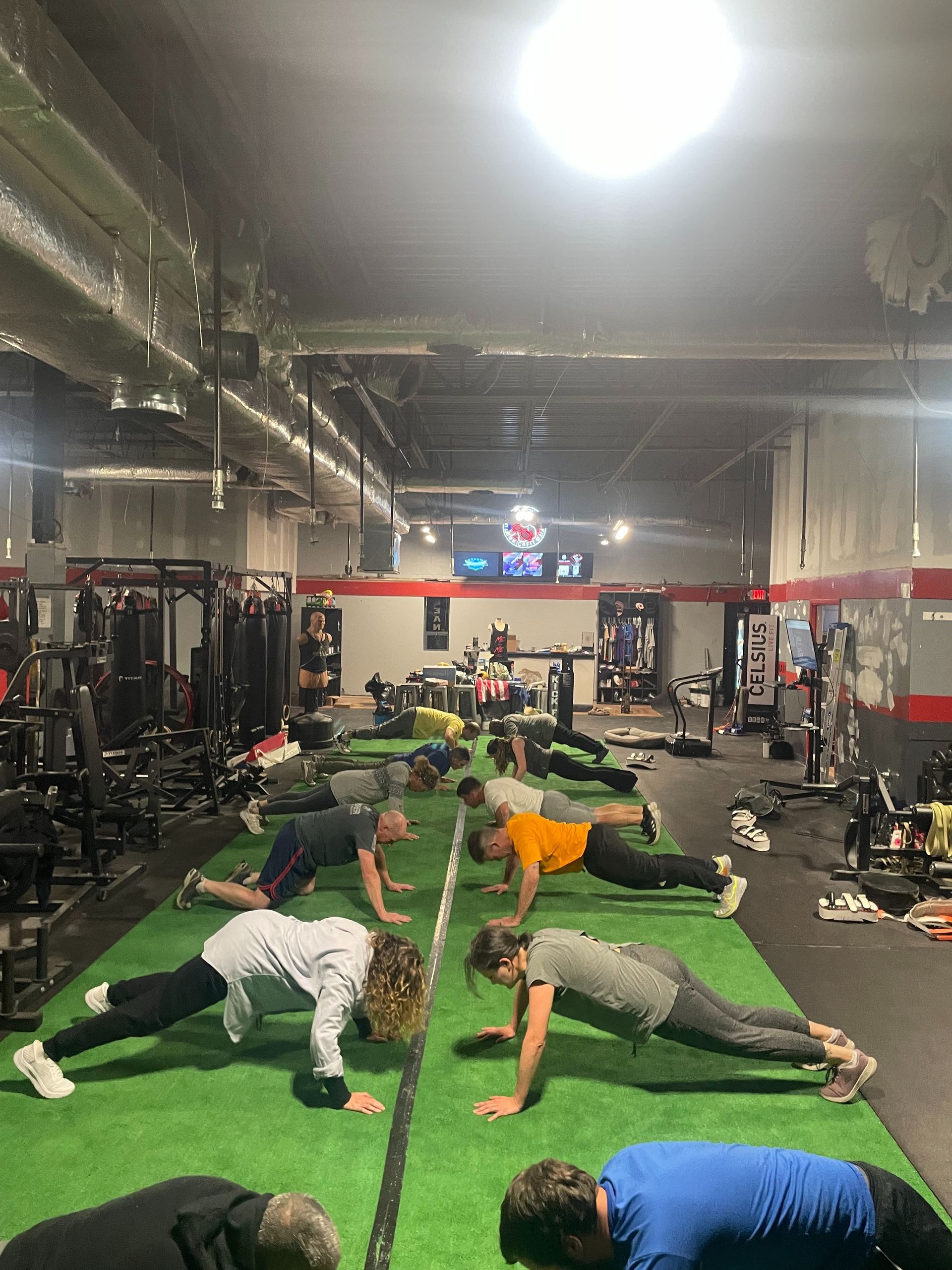
Krav Maga is a high-intensity martial art that combines cardio, strength, and functional movement training. Teens practicing Krav Maga often see measurable improvements in:
- Cardiovascular endurance
- Core and upper-body strength
- Agility and coordination
According to the National Youth Fitness Survey, teens engaged in regular physical activity demonstrate higher aerobic capacity and stronger muscles, helping them perform better in sports and daily activities.
2. Enhanced Coordination and Reflexes
Krav Maga training emphasizes reaction time and body awareness. Exercises like partner drills, defensive maneuvers, and pad work develop fast reflexes, hand-eye coordination, and balance, which benefit both athletic performance and everyday safety.
Mental Benefits: Confidence, Discipline, and Focus
3. Increased Confidence and Self-Esteem
Adolescence is a period of growth, self-discovery, and sometimes insecurity.
Teens Krav Maga instills confidence by teaching practical skills that teens know they can rely on in real-life situations. Overcoming training challenges, earning belt progressions, and successfully applying techniques help reinforce a positive self-image.
4. Greater Self-Discipline and Focus
Krav Maga classes require structured attention and repeated practice. Teens develop the ability to focus on tasks, manage frustration, and set achievable goals. Studies show that martial arts training improves executive function in adolescents, including attention, self-control, and goal-directed behavior.
5. Stress Relief and Mental Resilience
Teens face academic, social, and personal pressures daily. Physical activity, particularly martial arts, is a proven stress-reliever. Krav Maga allows teens to channel energy constructively, release tension, and build resilience in the face of challenges. This mental fortitude often translates into better performance in school and extracurricular activities.
Social Benefits: Community and Connection
6. Relationship Building and Teamwork
Krav Maga is practiced in a group setting, where cooperation and mutual respect are essential. Teens develop friendships, learn to communicate effectively, and practice leadership skills during partner drills and group exercises. These experiences foster a sense of belonging and community.
7. Positive Peer Influence
Being part of a martial arts academy provides teens with a structured, supportive environment that emphasizes respect, discipline, and responsibility. Teens are surrounded by peers who share similar goals, reducing exposure to negative influences and encouraging healthy social interactions.
Practical Benefits: Self-Defense and Safety
8. Real-World Self-Defense Skills
Unlike traditional martial arts that focus on forms or competitions, Krav Maga is designed for practical, real-world self-defense. Teens learn techniques to:
- Protect themselves from physical threats
- Defend against grabs, strikes, and attacks
- Make quick, strategic decisions in stressful situations
These skills provide both safety and peace of mind, empowering teens to feel secure in school, public spaces, and social settings.
9. Awareness and Risk Management
Krav Maga training also emphasizes situational awareness and preventive strategies. Teens learn to identify potential dangers, avoid high-risk situations, and act decisively when necessary. Developing these habits early encourages lifelong safety and risk management.
Common Questions and Concerns
1. What age can teens start Krav Maga training?
Teens can typically begin Krav Maga around ages 12–13, depending on the academy. At Storm Krav Maga, classes are tailored to accommodate different age groups and skill levels, ensuring safe, age-appropriate instruction.
2. How often should teens train in Krav Maga for best results?
For noticeable physical, mental, and social benefits, teens should aim for 2–3 classes per week. Regular practice helps improve fitness, coordination, self-defense skills, and confidence while maintaining a balanced schedule with school and other activities.
3. Will Krav Maga help my teen if they are not athletic?
Absolutely. Krav Maga is designed to be accessible to all fitness levels. Teens start with basic techniques and gradually build strength, endurance, and coordination at their own pace, making it suitable for beginners and less athletic students.
4. Is Krav Maga safe for teens?
Yes. When taught by certified instructors in a structured environment, Krav Maga is safe for teens. Classes at reputable schools like Storm Krav Maga include warm-ups, protective equipment, and controlled drills to minimize risk of injury.
5. Can Krav Maga improve my teen’s focus and school performance?
Yes. Martial arts training, including Krav Maga, enhances discipline, focus, and goal-setting skills. Studies show that teens who regularly participate in martial arts often demonstrate better concentration and time management, which can positively impact academics.
6. What makes Krav Maga different from other martial arts for teens?
Krav Maga focuses on real-world self-defense and practical techniques, rather than competition or forms. Teens learn how to respond effectively to potential threats, build confidence, and develop both mental and physical resilience, making it highly applicable to everyday life.
Data and Expert Insights
Martial arts are not only popular but increasingly recognized for their developmental benefits. According to the Sports & Fitness Industry Association, youth participation in martial arts grew by 18% between 2012 and 2022. Experts agree that structured martial arts training contributes positively to mental, physical, and social development in adolescents.
Dr. John Ratey, a clinical professor of psychiatry at Harvard Medical School, highlights that regular physical activity, including martial arts, enhances brain function, reduces anxiety, and improves mood. While these findings are general, they strongly support the observed benefits of teen Krav Maga training.
Local Relevance and Community Impact
For families in Bohemia, NY, Storm Krav Maga is more than a training center; it is a community resource. Teens can safely engage in physical activity in a supportive environment while developing skills that enhance personal safety. Our location serves teens across Bohemia and nearby neighborhoods, making high-quality martial arts accessible for local families.
By promoting fitness, self-discipline, and confidence, martial arts positively impacts the community. Teens who train with Storm Krav Maga often demonstrate leadership, respect, and awareness in school and social settings, helping foster a safer and more connected neighborhood.
Teens in Bohemia, NY, have a unique opportunity to grow stronger, more confident, and safer through Krav Maga training. At Storm Krav Maga, we provide expert instruction in a structured, supportive environment designed to help every student thrive.
Sign up for a free trial class today or schedule a consultation to see how Krav Maga can benefit your teen. Visit Storm Krav Maga to learn more about our programs and class schedules.